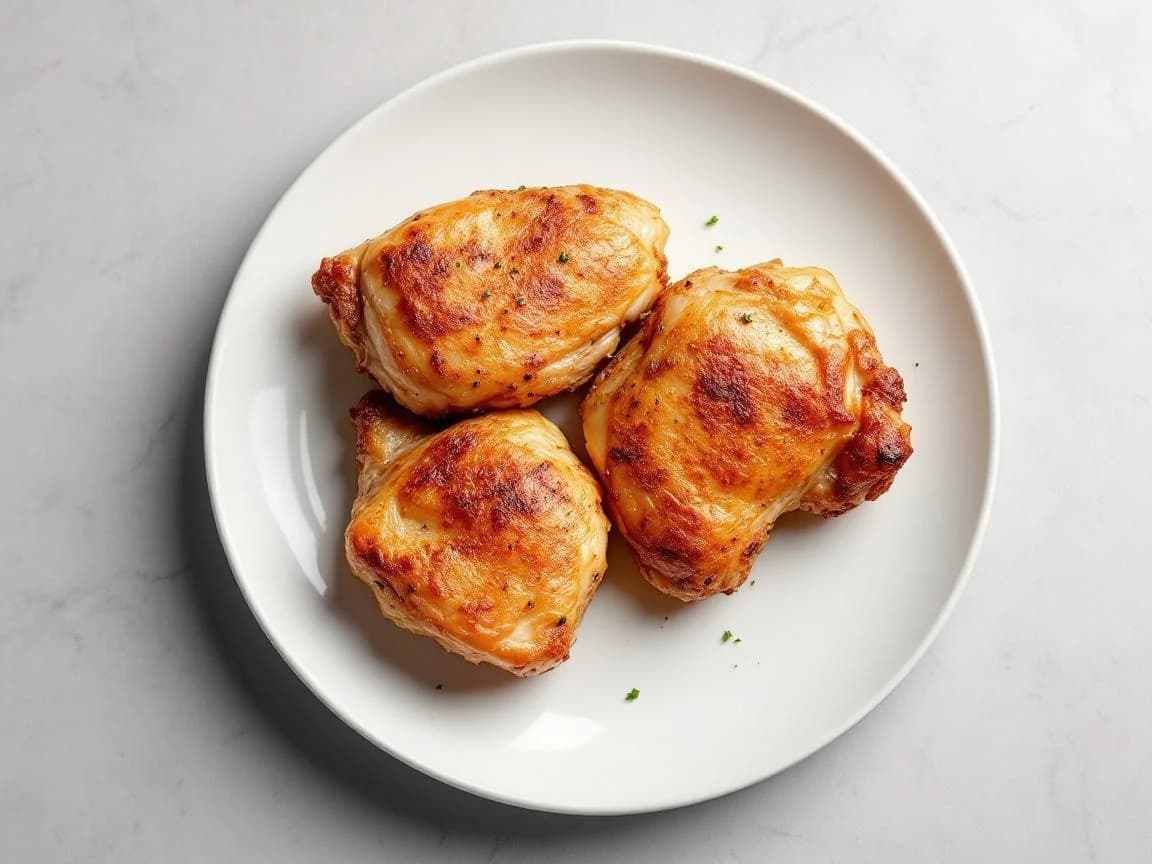
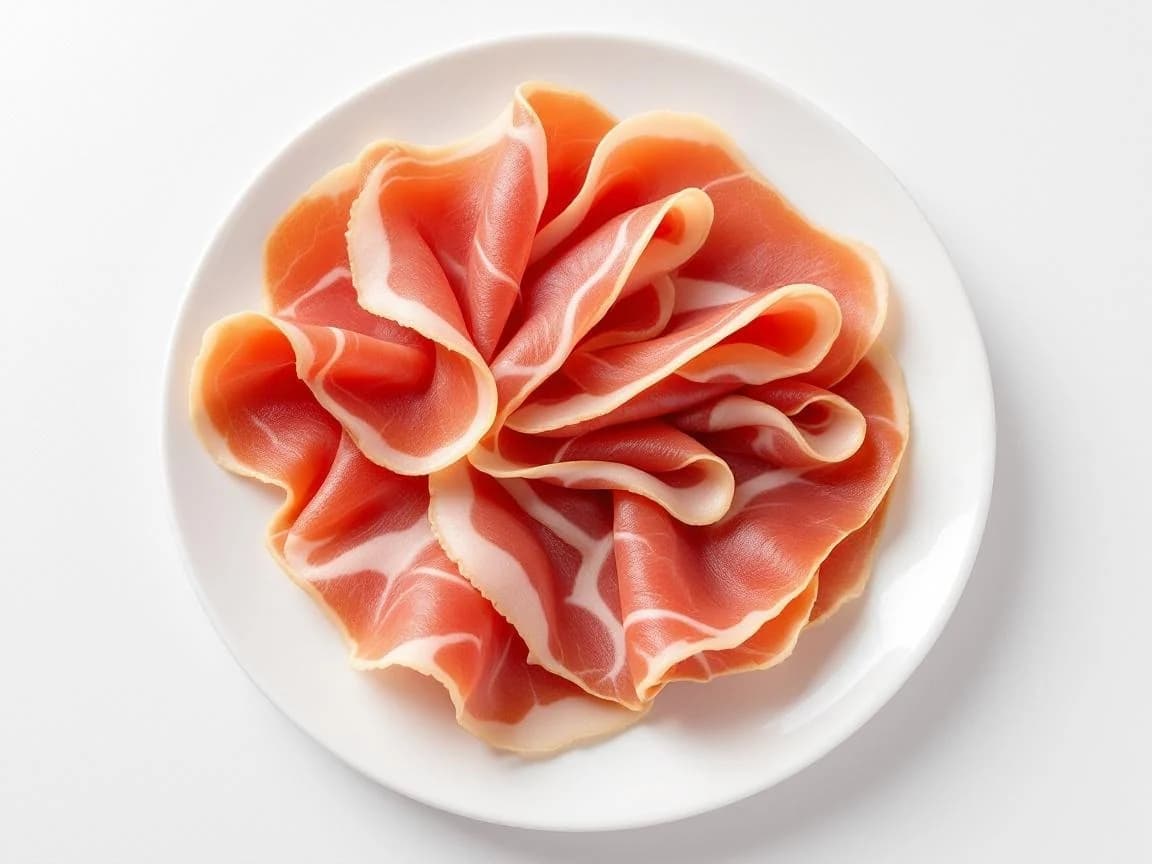
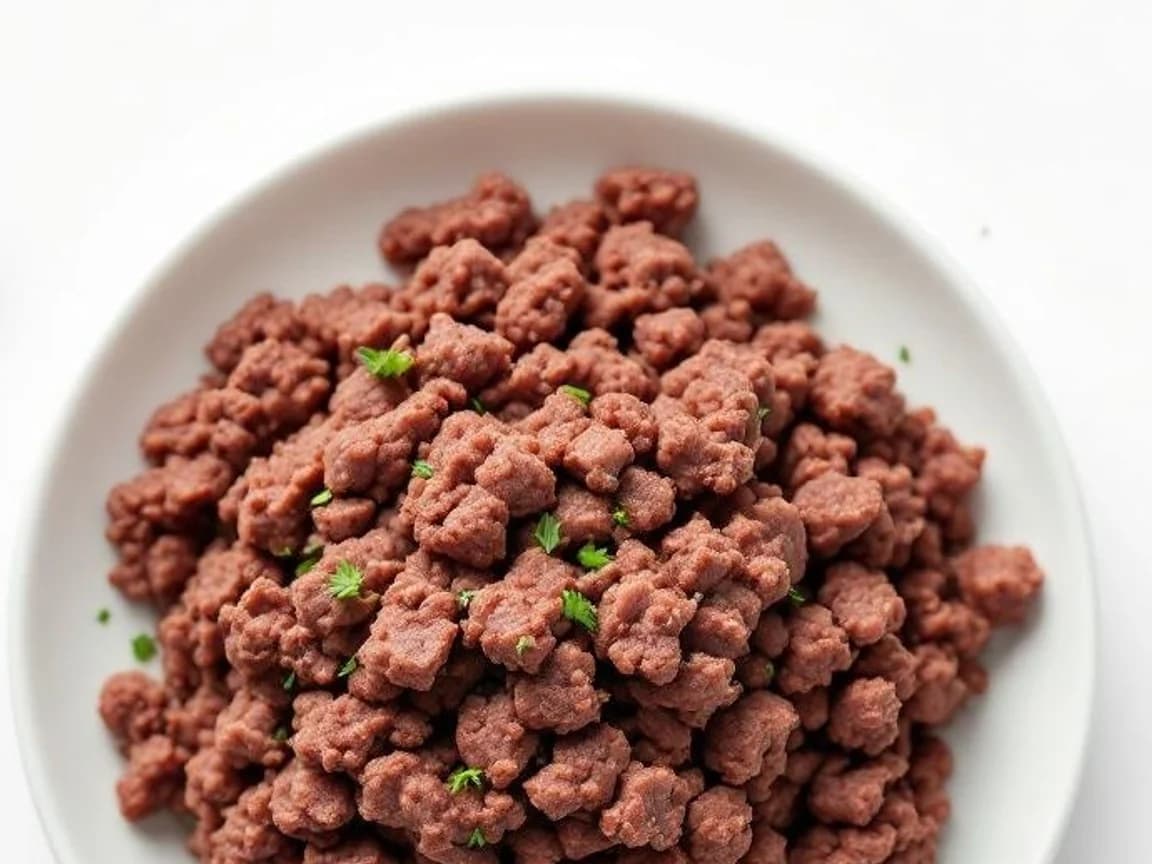
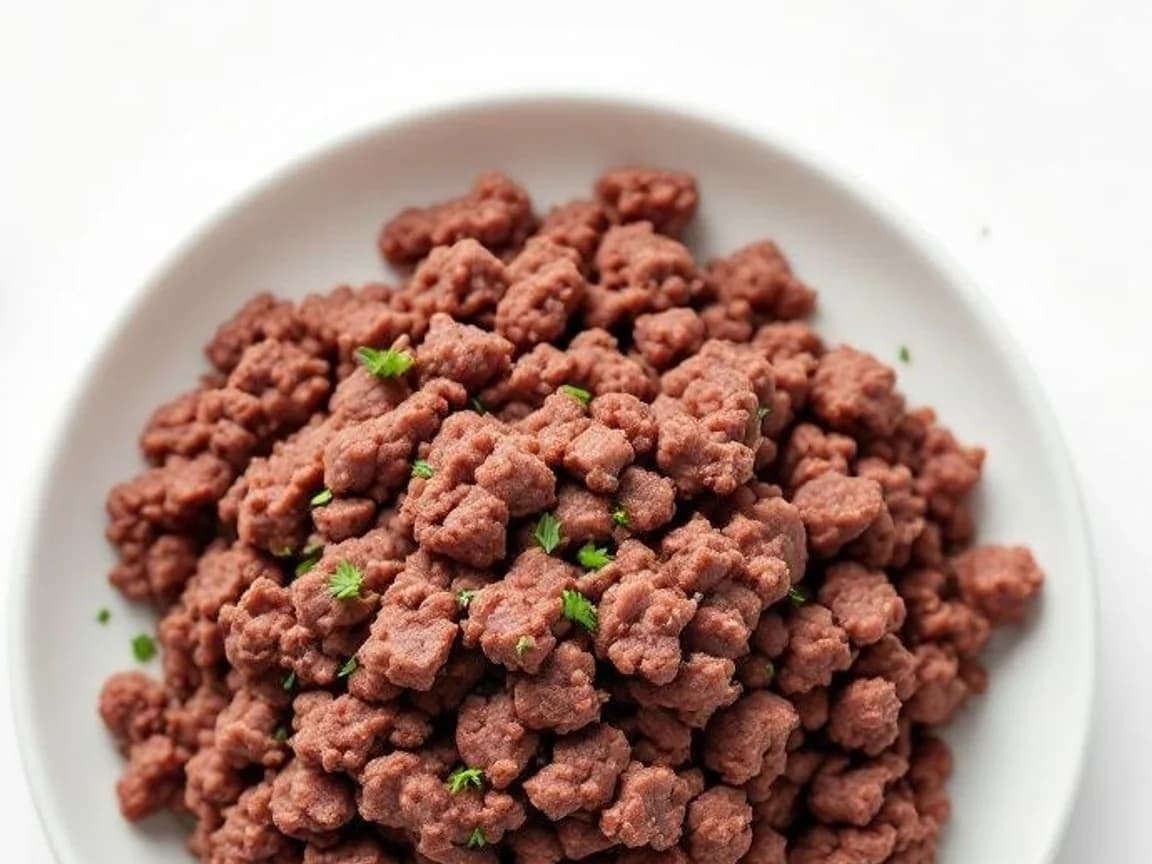
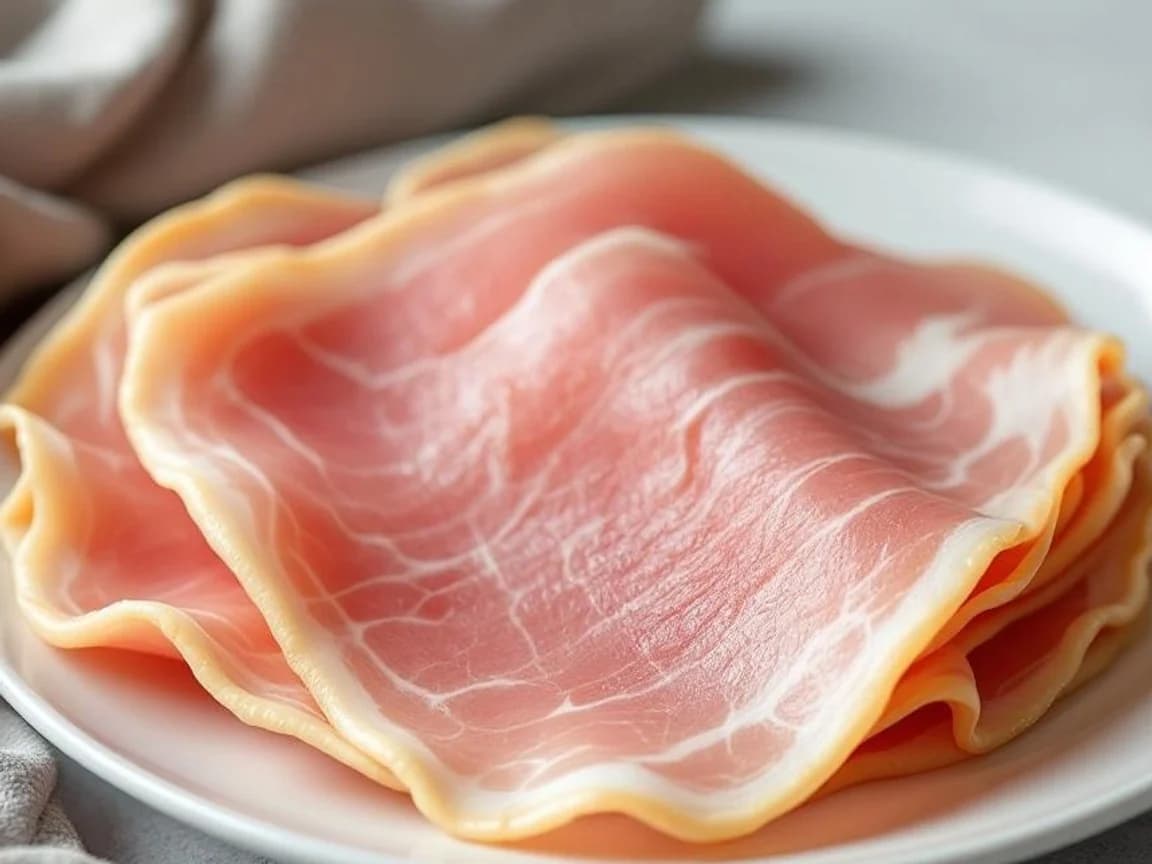
Duck is fattier than chicken — 10.8 g fat per 100 g. Cooking loss runs 25–35% as the fat renders (Sobral et al., Compr Rev Food Sci Food Saf 2021). Per 100 g: 202 kcal, 24.5 g protein. Skin-on duck carries most of the fat — removing it halves the count.
How should I track Duck Breast, White Pekin, Meat and Skin, Boneless, Roasted?
Duck Breast, White Pekin, Meat and Skin, Boneless, Roasted is high in protein. The simplest way to track Duck Breast, White Pekin, Meat and Skin, Boneless, Roasted accurately is to weigh it raw, before cooking. According to USDA cooking yield data, meat loses 20–30% of its weight during cooking as moisture evaporates — so 150 g raw becomes roughly 105–120 g cooked. If you log the cooked weight using raw nutrition values, you will undercount your protein and calories. A kitchen scale takes the guesswork out of it. Quick tip: cook a batch, weigh it before and after, and you will know your personal shrink ratio for next time.