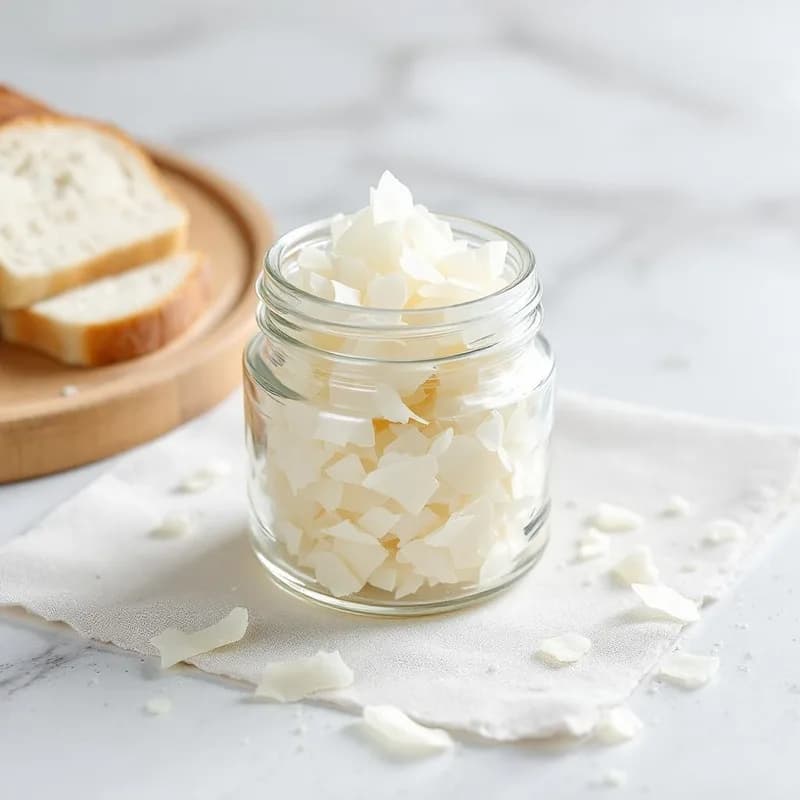
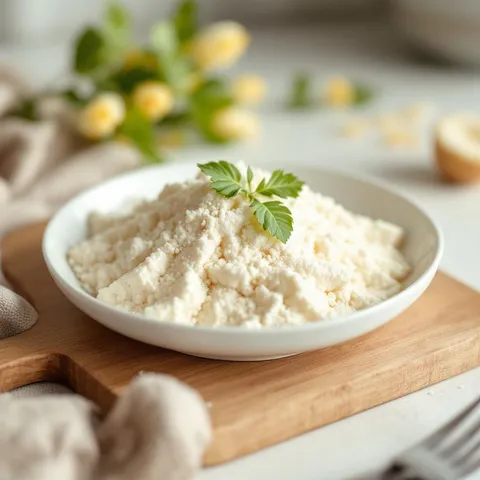
Agar agar is a plant-based gelatin alternative made from red algae. It sets firmer than gelatin and holds at room temperature – gelatin melts above 35 °C while agar holds up to 85 °C. At just 26 kcal per 100 g and near-zero macronutrients, it contributes essentially no calories to recipes. The typical usage of 2–4 g per recipe means no tracking is needed.
How should I track Agar agar, dried?
Agar agar, dried is a good source of magnesium. The most reliable way to track Agar agar, dried is with a kitchen scale. Research consistently shows that visual portion estimation is off by 20–50% for most food types (Almiron-Roig et al., Appetite 2013), and even trained dietitians make errors when eyeballing portions. A quick weigh takes seconds and eliminates the biggest source of tracking inaccuracy. If you are unsure about a portion size, it is better to log slightly more rather than less — a meta-analysis (Wehling & Lusher, Am J Clin Nutr 2021) found that underreporting is the most common error, averaging 25–30% of actual intake.