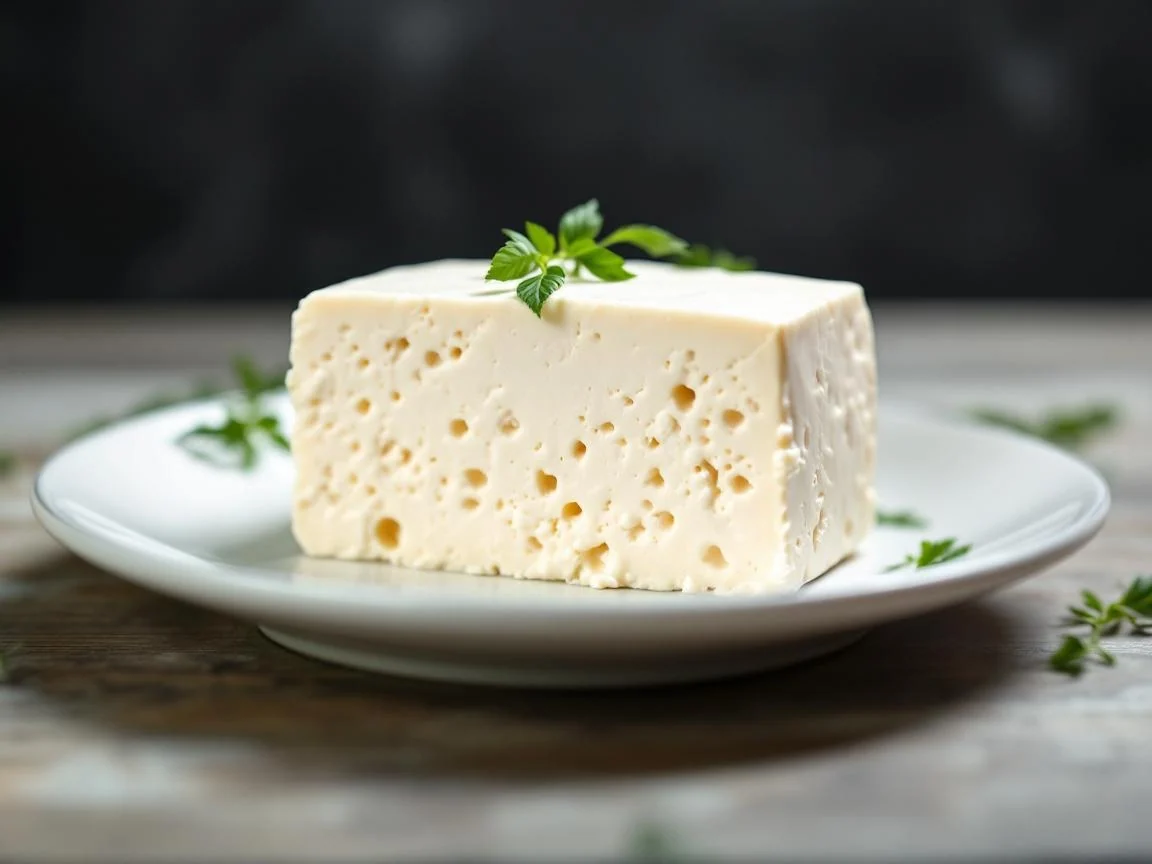
Sodium optimal range is 3–5 g/day (O'Donnell et al., NEJM 2014). Per 100 g: 127 kcal, 28.4 g protein, 1000 mg sodium. A 30 g slice has 300 mg sodium — worth tracking.
How should I track Swiss Cheese, nonfat or fat free?
Swiss Cheese, nonfat or fat free is high in calcium. The best way to track Swiss Cheese, nonfat or fat free is by weight, not volume. A 200 g serving of yogurt or cheese varies in density between brands and fat levels, so the same portion can differ by 20–40 calories. Research shows people underestimate calorie-dense dairy portions by up to 50% when eyeballing (Almiron-Roig et al., Appetite 2013). A kitchen scale keeps things honest. Also check whether the label lists values for the product as sold or as prepared — some powdered or concentrated dairy products show very different numbers once mixed.