Skip to content
  1. How to Meal Prep with Macros - Practical Guide for Busy People

Learn how to plan, prepare, and store macro-friendly meals that keep you on track all week without spending hours in the kitchen.

Quick answer

Meal prep with macros starts with daily targets split across 3-5 meals. Choose 2-3 batch-cook protein anchors, add fiber-rich carbs and vegetables, then portion meals into containers. Keep the structure flexible by swapping foods within macro targets. This saves time, reduces decision fatigue, and makes weekly adherence much easier.

Free Macro Calculator

Free, no signup required

Step 1 of 6 — Basics

Health Notice

This calculator provides general estimates for educational purposes. It is not medical advice. Consult a healthcare professional before making significant dietary changes.

The Basics

We need a few details to calculate your energy needs accurately.

Biological Sex

01Step 1: Plan Your Weekly Macros

Start by knowing your daily calorie and macro targets. Divide your daily protein goal across 3-5 meals, aiming for 20-40g per meal to hit the leucine threshold for muscle protein synthesis at each sitting. Plan your meals on paper or in an app before you shop - this is an implementation intention, and research shows it dramatically increases follow-through compared to vague plans. Decide which meals you will prep in advance (typically lunch and dinner) and which you will assemble fresh (often breakfast). Calibr8 can generate your daily macro targets automatically based on your current goal phase.

02Step 2: Choose Your Protein Anchors

Pick 2-3 protein sources that batch cook well and that you enjoy eating. Great options include chicken breast or thighs (bake a large batch at once), lean ground turkey or beef (cook in a skillet in 15 minutes), hard-boiled eggs (prep a dozen at a time), and Greek yogurt (no cooking needed). Build each meal around a protein anchor first, then add carbs and fats to fill your targets. Variety across the week prevents flavor fatigue - for example, use chicken on Monday through Wednesday and turkey on Thursday through Saturday. Weigh proteins after cooking for accurate tracking.

03Step 3: Fill in Carbs and Fats

After setting your protein anchors, add carbohydrate and fat sources to complete each meal. Prioritize high-volume, fiber-rich carbs for satiety - rice, potatoes, sweet potatoes, and oats are batch-cooking staples. Include vegetables at every meal for micronutrients and volume without many calories. For fats, use measured amounts of olive oil, nuts, avocado, or cheese. The satiety research is clear: food volume, fiber, and protein are the three strongest predictors of fullness. A plate with grilled chicken, roasted potatoes, and steamed broccoli will keep you far more satisfied than the same calories from processed snacks.

04Step 4: Batch Cook and Store

Set aside 1-2 hours on a weekend day for batch cooking. Cook all proteins first (oven-bake chicken, brown ground meat), then prepare staple carbs (cook a large pot of rice, roast potatoes). Let everything cool, then portion into labeled containers with the macro breakdown noted. Store meals for the next 3-4 days in the fridge and freeze the rest. Glass containers reheat better than plastic and avoid potential chemical leaching. A typical Sunday prep session can yield 8-10 complete meals, covering most of your workweek lunches and dinners with minimal daily effort.

05Step 5: Stay Flexible

Rigid meal plans fail because life is unpredictable. The goal of meal prep is structure, not restriction. If a social dinner replaces your prepped meal, adjust other meals that day to stay close to your targets. Swap proteins freely - if you are tired of chicken, eat the turkey portion instead. The research on flexible versus rigid dieting is conclusive: people who allow substitutions within their macro framework have significantly better adherence and long-term results than those who follow fixed meal plans. Think of your prep as a default, not a mandate. Calibr8 supports this approach by tracking your macros regardless of what specific foods you eat.

Frequently Asked Questions

How long does meal prep food stay fresh?

Most cooked meal prep stays fresh in the refrigerator for 3-4 days when stored in airtight containers. Cooked chicken, ground meat, rice, and roasted vegetables all keep well within this window. For longer storage, freeze portions in freezer-safe containers for up to 3 months. Thaw overnight in the refrigerator before reheating. A practical approach is to refrigerate meals for the first half of the week and freeze those planned for Thursday onward, thawing them the night before as needed.

Can I meal prep if I am always eating out?

Yes, meal prep and eating out are not mutually exclusive. Prep the meals you control (breakfast and weekday lunches are the easiest wins) and make informed choices when eating out. Many restaurants publish nutrition information online. When they do not, estimate by identifying the protein source, estimating its weight, and accounting for cooking oils and sauces that add hidden calories. Even prepping just one meal per day - such as lunch - can save 500-1,000 calories of estimation error per week and significantly improve your macro consistency.

Do I need to prep all meals or just some?

You do not need to prep every meal. In fact, a partial prep strategy often works better for long-term adherence because it reduces burnout. Start by prepping the meals where you struggle most - for most people, that is weekday lunches where time pressure leads to poor choices. Keep breakfasts simple and repeatable (overnight oats, eggs, Greek yogurt), prep lunches and some dinners in advance, and leave one or two meals per week unplanned for social eating or variety. The 80/20 rule applies: prepping 80% of your meals gets you most of the benefit with much less effort.

On this page
  1. 01Step 1: Plan Your Weekly Macros
  2. 02Step 2: Choose Your Protein Anchors
  3. 03Step 3: Fill in Carbs and Fats
  4. 04Step 4: Batch Cook and Store
  5. 05Step 5: Stay Flexible
Home
Guides
C8
Calibr8
  • Food Database
  • Insights
  • Nutrition Guides
  • Compare Apps
Try Calibr8 Free

Guide cover image

Guide + Calculator4 min read

How to Meal Prep with Macros - Practical Guide for Busy People

Reviewed by Calibr8 TeamUpdated March 25, 2026
On this page
  1. 01Step 1: Plan Your Weekly Macros
  2. 02Step 2: Choose Your Protein Anchors
  3. 03Step 3: Fill in Carbs and Fats
  4. 04Step 4: Batch Cook and Store
  5. 05Step 5: Stay Flexible
Calibr8 Platform

Skip the math — let Calibr8 calculate it for you

Built around your data, not generic templates. Get a plan that adapts every week.

14 days free · Cancel anytime

Article research basis
1,316Papers Analyzed
4,705Foods in Database
100%Peer-Reviewed Sources
C8
Calibr8

Evidence-based nutrition coaching, built around your data.

Backed by 1,316 research papers

Platform

  • Food Database
  • Nutrition Guides
  • Compare Apps
  • Pricing

Company

  • About
  • Contact
  • Research

Community

  • Community Feed
  • Insights
© 2026 Calibr8. All rights reserved.
CALIBR8

Reviewed by Calibr8

Peer-reviewed data · Last updated March 25, 2026

Related Foods

Related Foods Worth Logging

Platform Features

Everything You Need

From a 4,700+ food database to weekly AI coaching, Calibr8 turns research into a plan you can act on.

Core Feature

Personalized Coaching

A weekly check-in turns your data into a plan that adapts to your progress, not a generic template.

View all foods

Food Database

4,700+ foods with full macro and micronutrient profiles, including Bulgarian and international staples.

Browse foods
See how it works

Science Guides

Long-form guides with citations on protein, fat loss, training nutrition, and supplements.

Read the guides
Try Calibr8 Free
Backed by 1,316 research papers
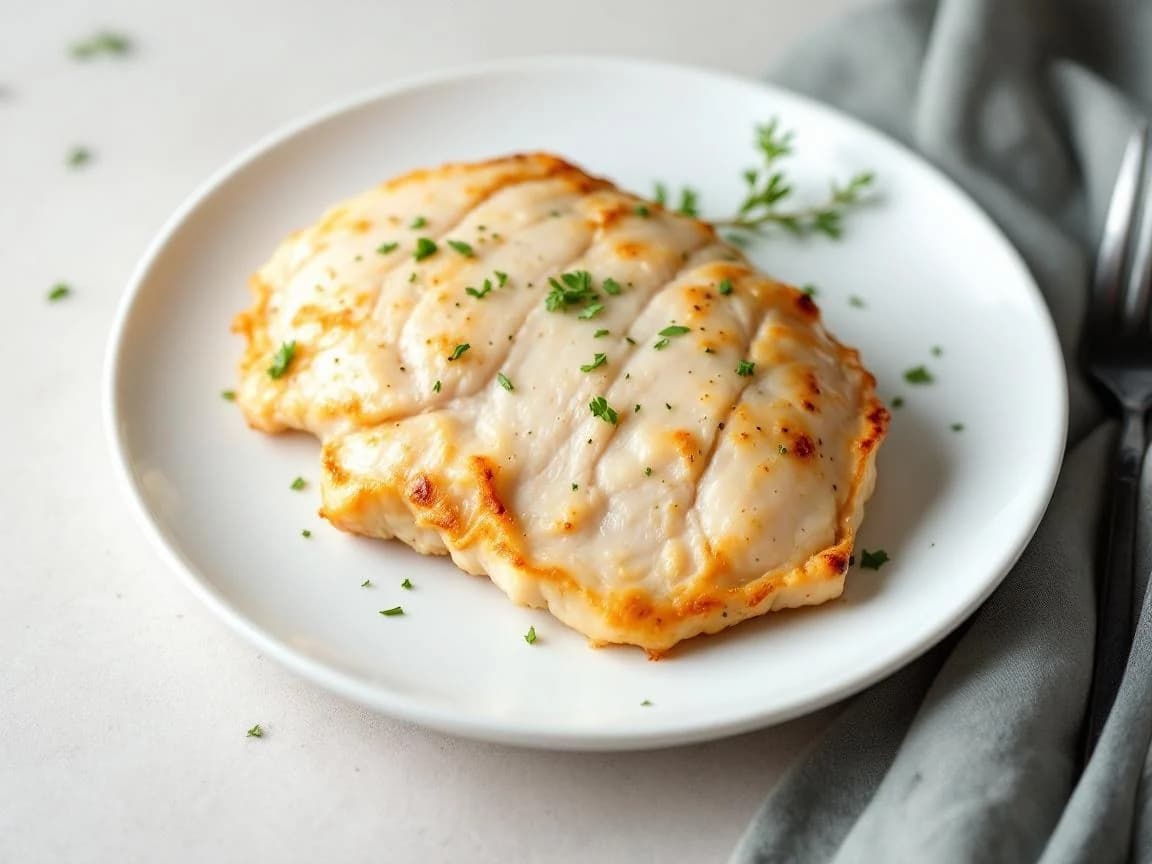
Chicken Breast
🥩Meat & Poultry

Chicken Breast (raw)

165 kcal31 g protein
Per 100g · Calibr8 Verified
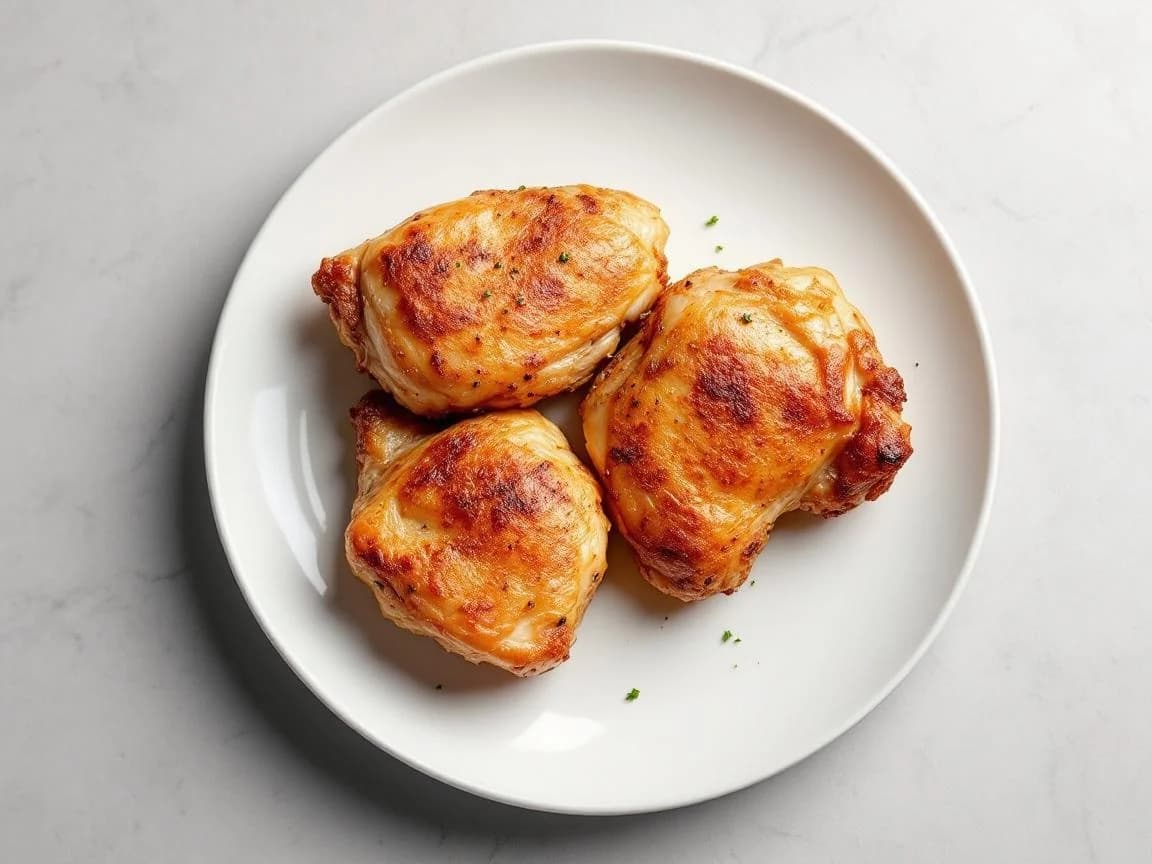
Chicken Thighs
🥩Meat & Poultry

Chicken Thighs (raw)

209 kcal26 g protein
Per 100g · Calibr8 Verified
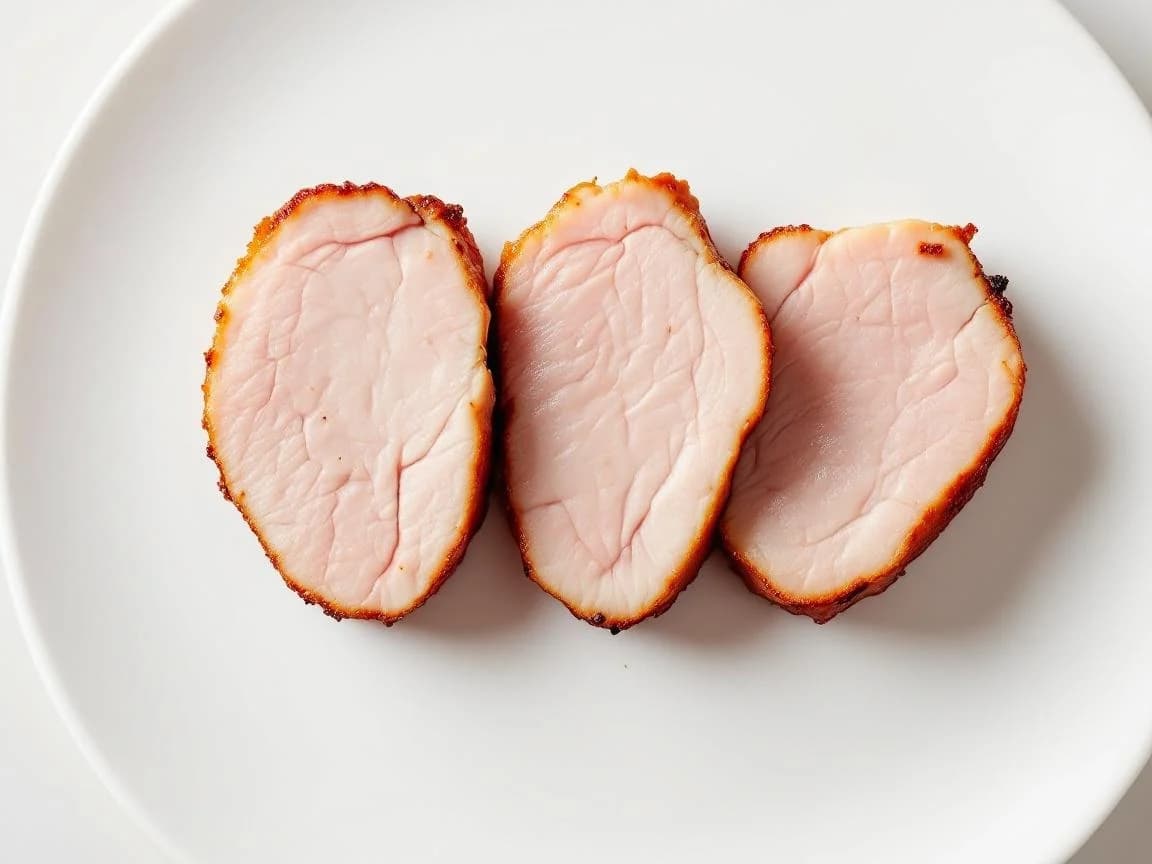
Pork Tenderloin
🥩Meat & Poultry

Pork Tenderloin (raw)

143 kcal26 g protein
Per 100g · Calibr8 Verified
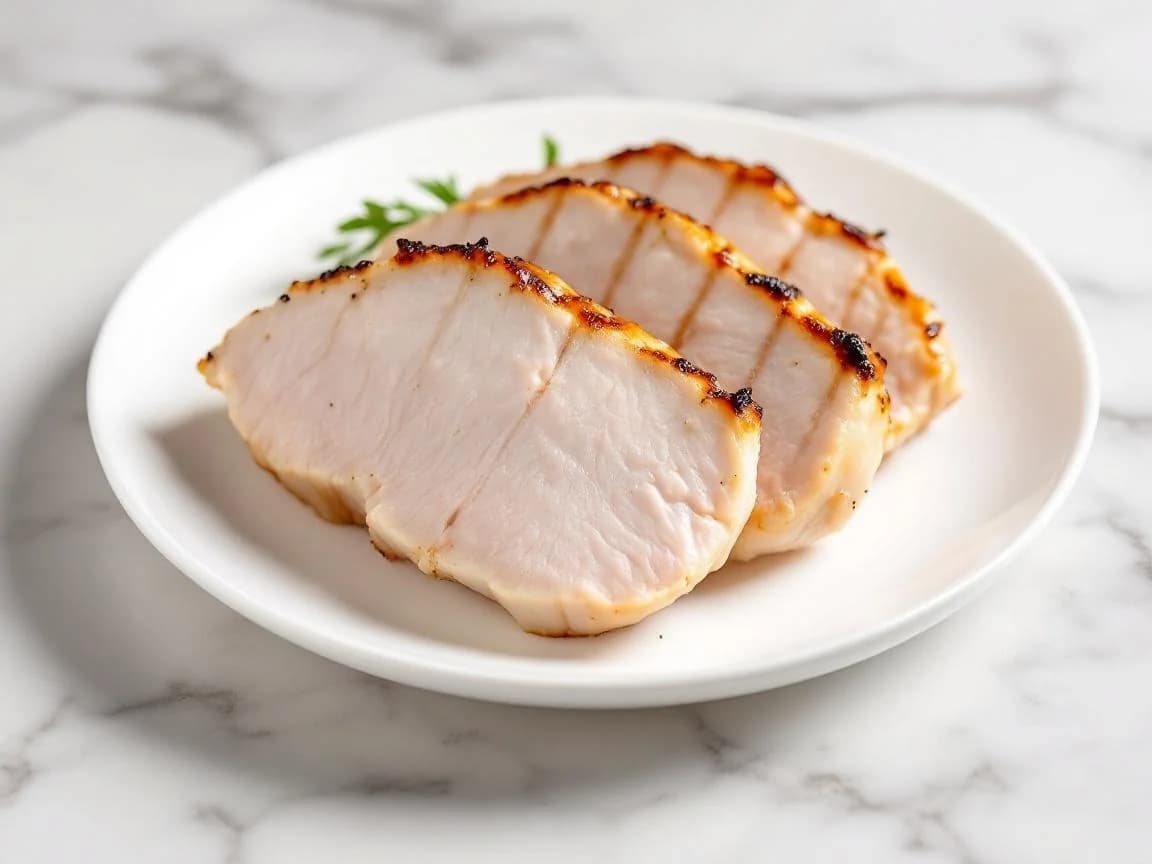
Pork Shoulder
🥩Meat & Poultry

Pork Shoulder (raw)

236 kcal17 g protein
Per 100g · Calibr8 Verified