Skip to content
  1. Best High-Protein Foods - Complete Guide with Nutrition Data

Discover the top animal and plant protein sources ranked by protein density, plus how to distribute protein across your meals for optimal results.

Quick answer

Best high-protein foods combine strong protein density with quality amino acids. Top choices include chicken breast, turkey, eggs, Greek yogurt, lean beef, tempeh, tofu, lentils, and edamame. Aim for 1.6-2.2 g/kg daily (with 1.6-1.8 sufficient for most), distributed across 3-5 meals with 20-40g per meal for better muscle protein synthesis.

Free Macro Calculator

Free, no signup required

Step 1 of 6 — Basics

Health Notice

This calculator provides general estimates for educational purposes. It is not medical advice. Consult a healthcare professional before making significant dietary changes.

The Basics

We need a few details to calculate your energy needs accurately.

Biological Sex

01Step 1: Why Protein Matters

Protein is the building block of muscle tissue and the most important macronutrient for body composition. It drives muscle protein synthesis (MPS), which is essential for both building and preserving lean mass. Protein also generally has a higher thermic effect than carbs or fat, though the exact magnitude varies with total intake and individual factors. Additionally, protein is the most satiating macronutrient, helping you feel full longer. During a calorie deficit, adequate protein intake is critical for minimizing muscle loss while maximizing fat loss.

02Step 2: How Much Protein You Need

Research shows that 1.6-1.8 grams of protein per kilogram of body weight per day is sufficient for most active individuals to support muscle protein synthesis. During a cutting phase, higher intakes of up to 2.0-2.2 g/kg can help preserve lean mass — this higher range also applies to vegans and concurrent athletes who may have greater protein needs. During maintenance or bulking, 1.6-1.8 g/kg is typically sufficient. For a 75 kg person, this means 120-165g of protein daily. Calibr8 calculates your exact protein target based on your body composition, training volume, and current goal phase.

03Step 3: Top Animal Protein Sources

Animal proteins provide all essential amino acids in optimal ratios. Top sources per 100g: chicken breast (31g protein, 165 kcal), turkey breast (30g, 135 kcal), lean beef sirloin (26g, 190 kcal), tuna (26g, 130 kcal), salmon (22g, 206 kcal), eggs (13g, 155 kcal), and Greek yogurt (10g, 59 kcal). These foods are rich in leucine - the amino acid that triggers MPS most effectively. Prioritize lean cuts for higher protein-to-calorie ratios during cutting, and include fattier options like salmon for their omega-3 benefits during maintenance.

04Step 4: Top Plant Protein Sources

Plant proteins can fully meet your needs when properly combined. Top sources per 100g cooked: tempeh (19g protein, 192 kcal), edamame (11g, 121 kcal), lentils (9g, 116 kcal), chickpeas (9g, 164 kcal), tofu (8g, 76 kcal), and black beans (9g, 132 kcal). Most plant proteins are incomplete individually but become complete when combined across the day - you do not need to combine them in the same meal. Focus on variety and total daily intake. Soy-based foods like tempeh and tofu are exceptions, providing complete proteins comparable to animal sources.

05Step 5: How to Distribute Protein Across Meals

Protein distribution matters for maximizing MPS throughout the day. Aim for 20-40g of protein per meal across 3-5 meals, spaced 3-5 hours apart. This ensures you hit the leucine threshold (approximately 2.5-3g of leucine) needed to trigger MPS at each meal. Front-loading protein at breakfast is especially beneficial, as most people under-eat protein in the morning. Even spacing prevents both the waste of exceeding the MPS ceiling at one meal and the missed opportunity of eating too little at another. Calibr8 helps you plan optimal protein distribution across your daily meals.

Frequently Asked Questions

Can I get enough protein on a plant-based diet?

Yes, absolutely. A well-planned plant-based diet can provide all the protein you need, even at the higher end of 2.0-2.2 g/kg. Focus on high-protein plant foods like tempeh, tofu, lentils, chickpeas, and edamame. Combine different plant protein sources throughout the day to ensure a complete amino acid profile. You may need to eat slightly more total food volume since most plant proteins come with more carbs and fiber. Soy-based proteins are particularly valuable because they are complete and leucine-rich.

Is too much protein harmful?

For healthy individuals with normal kidney function, protein intakes up to 2.2 g/kg (and even higher in some studies up to 3.0 g/kg) have shown no adverse effects on kidney health, bone density, or liver function. The myth that high protein damages kidneys comes from studies on people with pre-existing kidney disease, where protein restriction is medically appropriate. If you have kidney disease, consult your doctor. For everyone else, the greater risk is eating too little protein and losing muscle mass, especially during a calorie deficit.

When should I eat protein for best results?

Distribute protein evenly across 3-5 meals spaced 3-5 hours apart for optimal muscle protein synthesis. The often-cited "anabolic window" immediately after training is less critical than once thought - total daily protein intake matters more than exact timing. That said, having a protein-rich meal within 1-2 hours before or after training is a good practice. The most impactful change most people can make is adding more protein to breakfast, which is typically the most protein-deficient meal of the day.

On this page
  1. 01Step 1: Why Protein Matters
  2. 02Step 2: How Much Protein You Need
  3. 03Step 3: Top Animal Protein Sources
  4. 04Step 4: Top Plant Protein Sources
  5. 05Step 5: How to Distribute Protein Across Meals
Home
Guides
C8
Calibr8
  • Food Database
  • Insights
  • Nutrition Guides
  • Compare Apps
Try Calibr8 Free

Guide cover image

Guide + Calculator4 min read

Best High-Protein Foods - Complete Guide with Nutrition Data

Reviewed by Calibr8 TeamUpdated March 25, 2026
On this page
  1. 01Step 1: Why Protein Matters
  2. 02Step 2: How Much Protein You Need
  3. 03Step 3: Top Animal Protein Sources
  4. 04Step 4: Top Plant Protein Sources
  5. 05Step 5: How to Distribute Protein Across Meals
Calibr8 Platform

Skip the math — let Calibr8 calculate it for you

Built around your data, not generic templates. Get a plan that adapts every week.

14 days free · Cancel anytime

Article research basis
1,316Papers Analyzed
4,705Foods in Database
100%Peer-Reviewed Sources
C8
Calibr8

Evidence-based nutrition coaching, built around your data.

Backed by 1,316 research papers

Platform

  • Food Database
  • Nutrition Guides
  • Compare Apps
  • Pricing

Company

  • About
  • Contact
  • Research

Community

  • Community Feed
  • Insights
© 2026 Calibr8. All rights reserved.
CALIBR8

Reviewed by Calibr8

Peer-reviewed data · Last updated March 25, 2026

Related Foods

Related Foods Worth Logging

Platform Features

Everything You Need

From a 4,700+ food database to weekly AI coaching, Calibr8 turns research into a plan you can act on.

Core Feature

Personalized Coaching

A weekly check-in turns your data into a plan that adapts to your progress, not a generic template.

View all foods

Food Database

4,700+ foods with full macro and micronutrient profiles, including Bulgarian and international staples.

Browse foods
See how it works

Science Guides

Long-form guides with citations on protein, fat loss, training nutrition, and supplements.

Read the guides
Try Calibr8 Free
Backed by 1,316 research papers
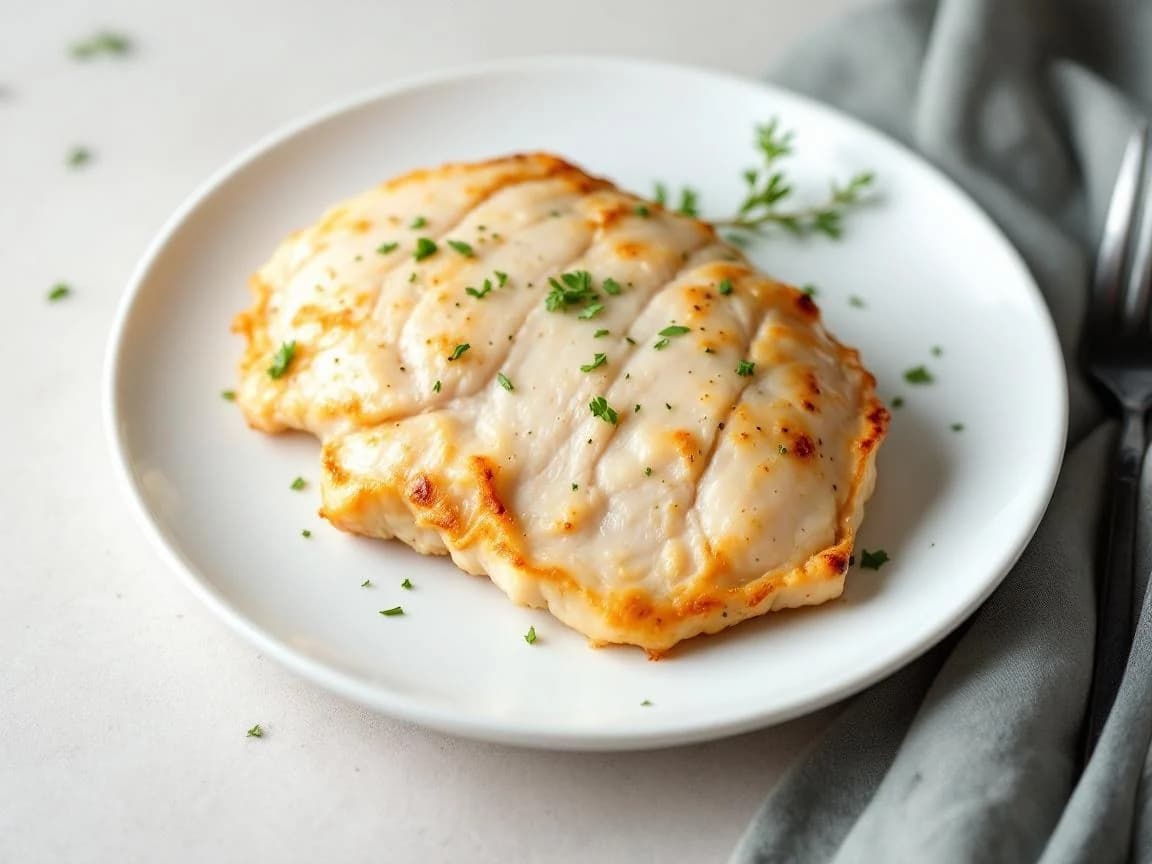
Chicken Breast
🥩Meat & Poultry

Chicken Breast (raw)

165 kcal31 g protein
Per 100g · Calibr8 Verified
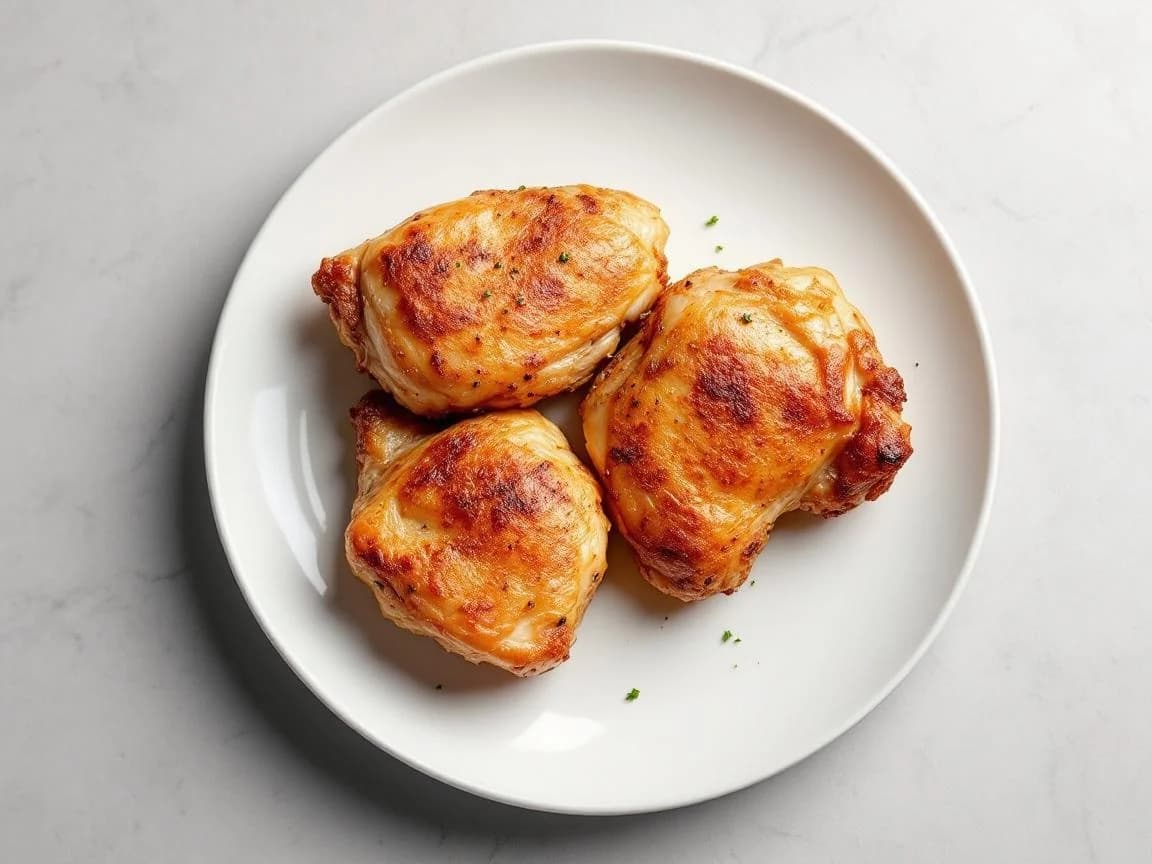
Chicken Thighs
🥩Meat & Poultry

Chicken Thighs (raw)

209 kcal26 g protein
Per 100g · Calibr8 Verified
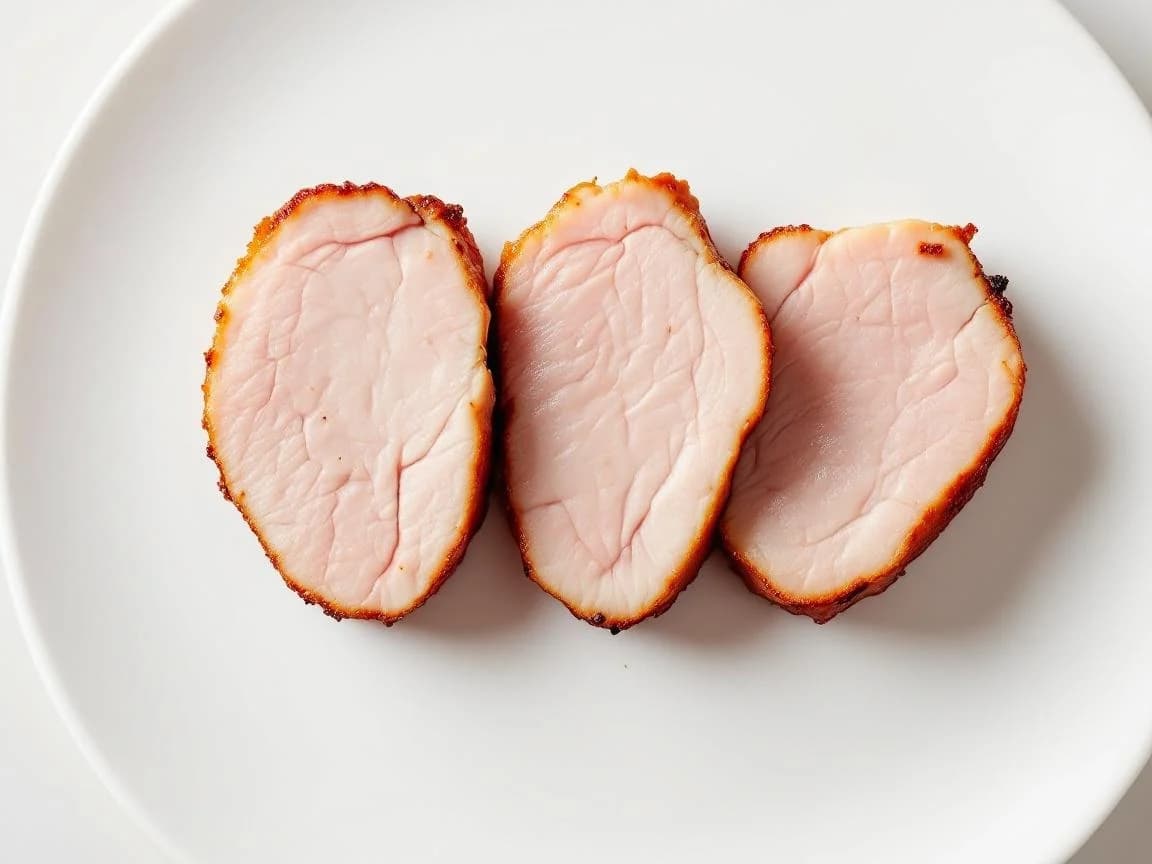
Pork Tenderloin
🥩Meat & Poultry

Pork Tenderloin (raw)

143 kcal26 g protein
Per 100g · Calibr8 Verified
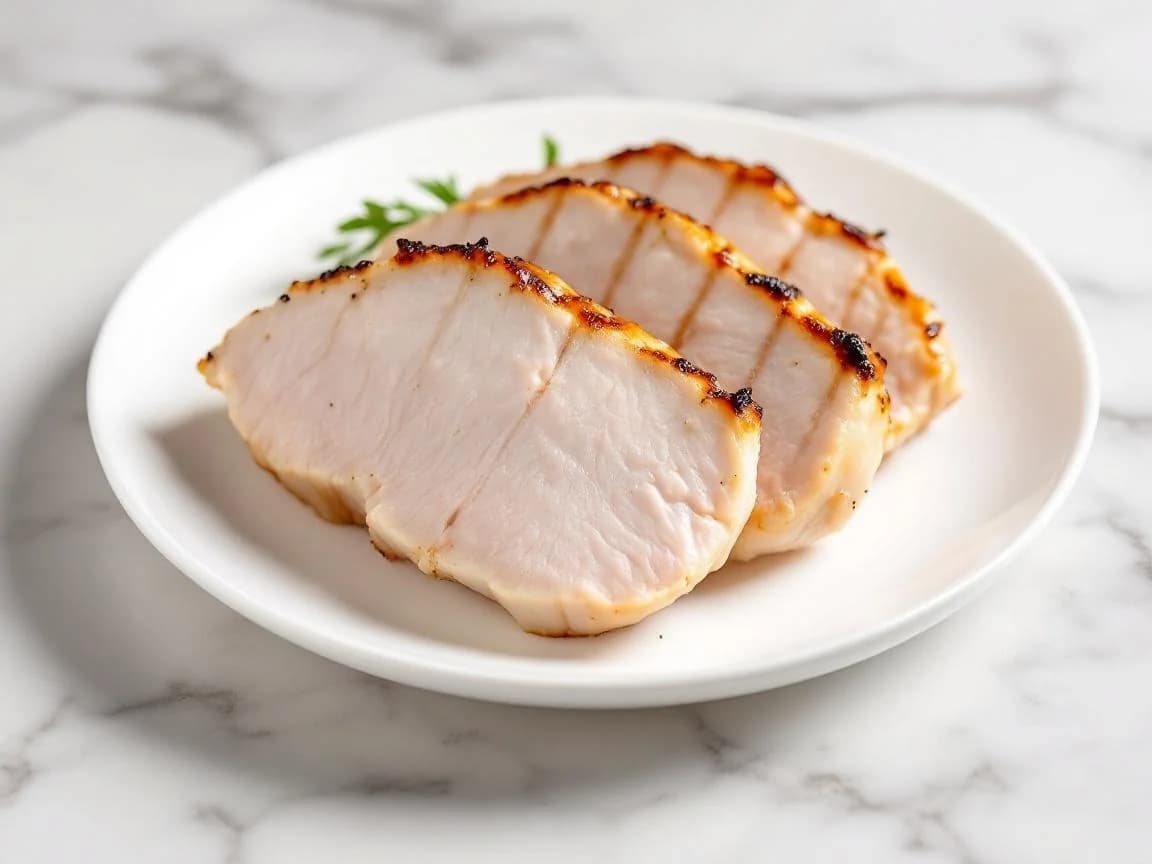
Pork Shoulder
🥩Meat & Poultry

Pork Shoulder (raw)

236 kcal17 g protein
Per 100g · Calibr8 Verified